
Generative AI Development Services
Transform enterprise knowledge and workflows into intelligent, AI-powered experiences.
Albiorix delivers Generative AI Services that help businesses build smarter applications, automate knowledge-intensive work, and make enterprise information easier to access and use. From strategy and development to integration and deployment, we build secure, scalable AI systems around your data, workflows, and business priorities.
Enterprise GenAI | Custom AI Applications | Secure AI Integration



Generative AI Development Services Built for Real Business Use
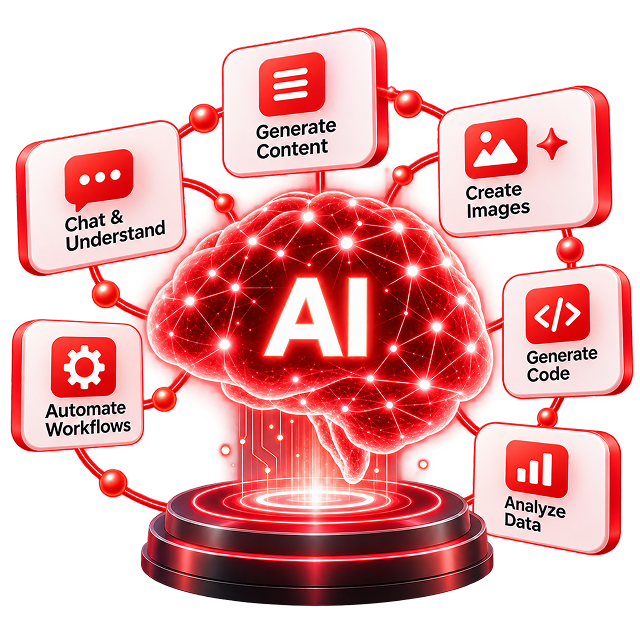
From intelligent applications and enterprise knowledge systems to workflow automation and model integration, our generative AI development services are designed around practical business needs, existing technology environments, and long-term scalability.
Custom Generative AI Development
Build AI applications around your specific workflows, data, users, and operational requirements. Our custom generative AI solutions are designed to solve defined business problems rather than force generic AI capabilities into existing processes.
Generative AI Consulting
Identify where GenAI can create measurable value across your organisation. We assess use cases, data readiness, technology choices, integration requirements, governance, and generative AI security risks before defining a practical development roadmap.
Enterprise RAG Solutions
Turn scattered business knowledge into useful, context-aware AI experiences. We build RAG systems that connect language models with documents, databases, policies, product information, and other trusted enterprise sources.
LLM Development & Fine-Tuning
Adapt large language models to specialised domains, tasks, and business requirements. Our team works across model selection, fine-tuning, prompt engineering, evaluation, and optimisation to improve relevance, accuracy, and performance.
Generative AI Integration
Bring GenAI capabilities into the tools your teams already use. We integrate models and AI features with CRM, ERP, SaaS platforms, internal applications, APIs, databases, and enterprise systems without disrupting established workflows.
GenAI Application Development
Transform promising AI use cases into production-ready applications. Our GenAI development services cover intelligent assistants, knowledge tools, content systems, search experiences, copilots, and other generative AI business applications built for everyday use.
Why Enterprises Choose Albiorix for Generative AI

11+ Years Building Business-Critical Software
68+ AI Solutions Delivered
GenAI Grounded in Your Enterprise Data
From AI Experiments to Production Systems
Model Flexibility Without Vendor Lock-In
Security Built Into the Architecture


Our Generative AI Development Process
Use Case & Opportunity Discovery
We study your workflows, data, users, and business priorities to identify where Generative AI can deliver meaningful value and define clear success criteria.
Data & GenAI Architecture
We define the right models, data sources, RAG approach, integrations, security controls, and architecture based on your use case and enterprise environment.
Build, Ground & Evaluate
We develop the GenAI application, connect relevant enterprise knowledge, and evaluate outputs for accuracy, relevance, consistency, latency, and expected behaviour.
Guardrails & Production Deployment
We establish access controls, data safeguards, content guardrails, human review points, and deployment processes before introducing the solution into live business workflows.
Monitor, Improve & Scale
After deployment, we continuously evaluate model performance, output quality, costs, and usage patterns while refining the system as your data and business requirements evolve.
Creating value through design
Mable

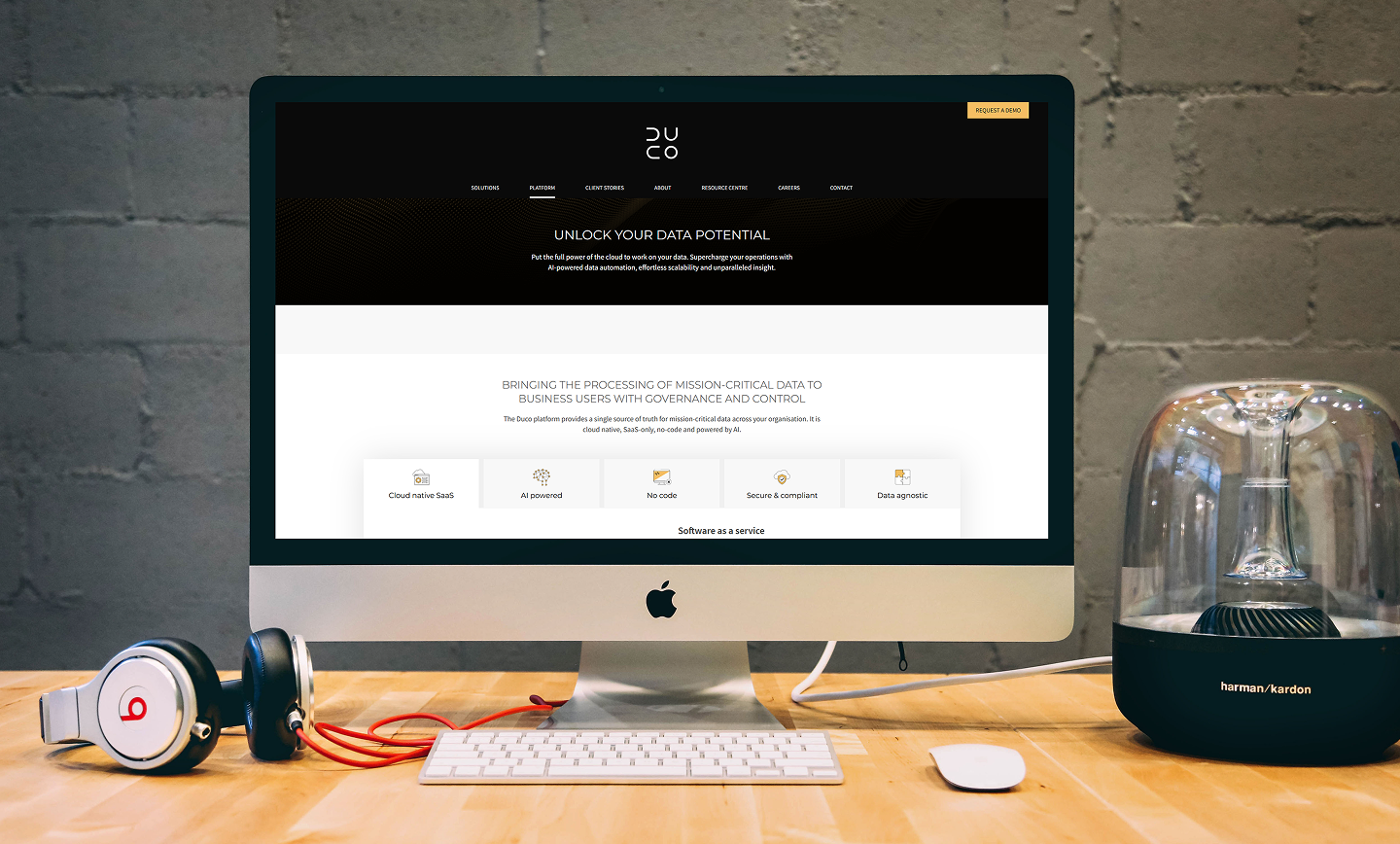
Duco
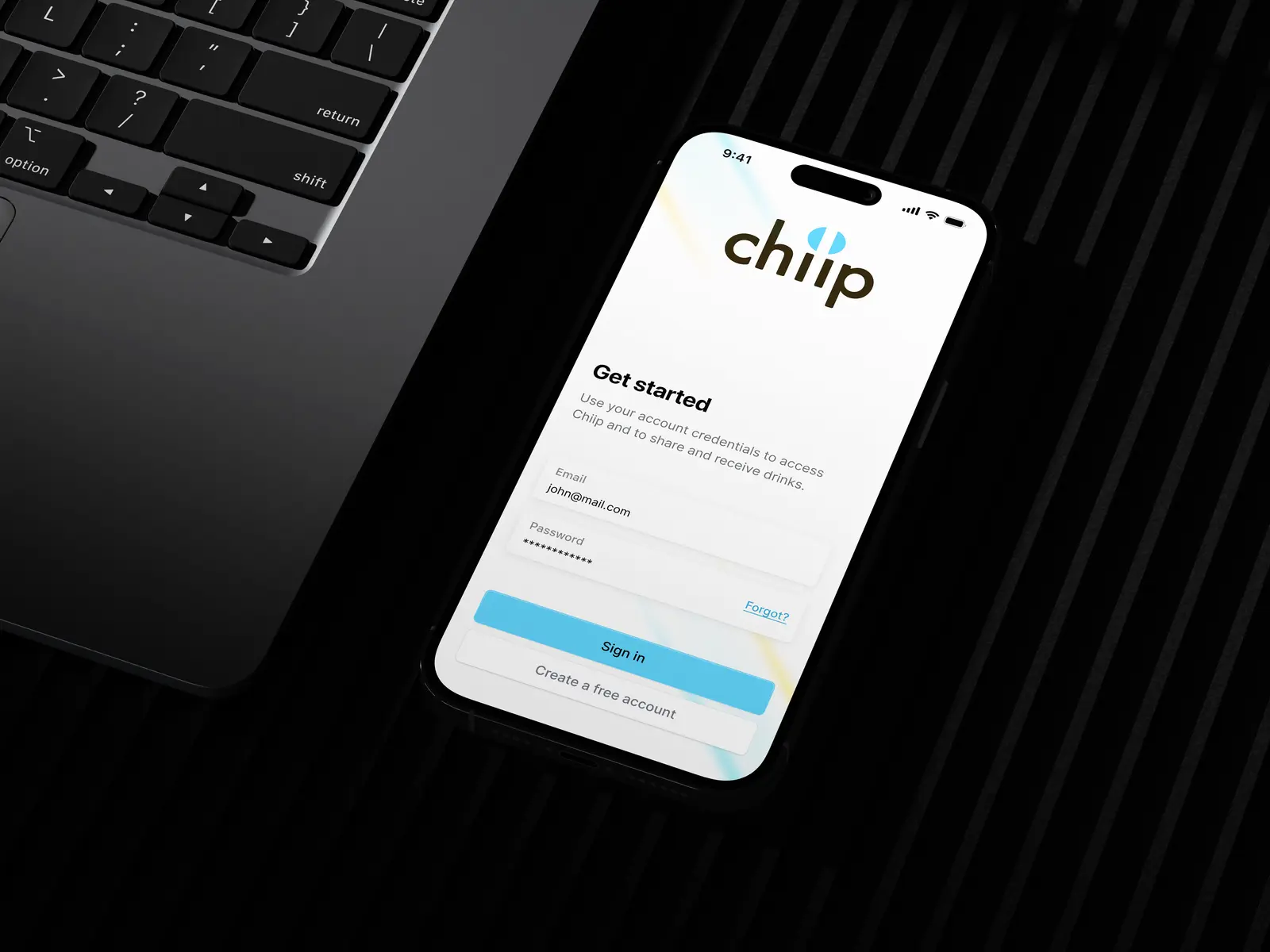
Chiip

AQ GreenTeC

Technologies that Power Digital Revolution
We build on cutting-edge technology stacks, combining proven frameworks and modern tools to deliver enterprise-grade performance, scalability, and long-term engineering flexibility.
 Chatgpt
 Claude
 Gemini
 Cursor
 Ollama
 Tensorflow
 Pytorch
 Python
 Angular
 React
 VueJS
 .Net Core
 .Net MVC
 NodeJS
 PHP
 WordPress
 Laravel
 Symfony
 iOS
 Android
 React Native
 Flutter
 Xamarin
 lonic
We Don’t Chase Awards, We Earn Trust

1Certified by ISO for Information Security Management

Certified by ISO for Quality Management System

Certified Microsoft Developers for Microsoft Technology Expertise
Certified by ISO for Quality Management System

PMP Certified Developers for Professional Project Management
PRINCE2 Certified Developers for Project Management Excellence
Frequently Asked Questions
Generative AI Services help businesses design, build, integrate, and deploy AI applications capable of generating, interpreting, summarizing, and retrieving information. These services can support enterprise knowledge management, intelligent applications, workflow automation, content operations, and decision-support use cases.
A generative AI development company helps businesses move from an AI use case to a production-ready application. This typically includes use-case discovery, model selection, architecture, RAG implementation, data integration, development, evaluation, security controls, deployment, and ongoing optimization.
Enterprises can apply Generative AI to internal knowledge search, document analysis, customer assistance, employee copilots, content workflows, research, reporting, and information-intensive processes. The right use case depends on business objectives, available data, existing systems, and governance requirements.
Retrieval-Augmented Generation, or RAG, connects an AI model with approved enterprise information before generating a response. It can help businesses create AI applications that use relevant documents, databases, policies, product information, or other trusted knowledge sources.
Model selection depends on the use case rather than choosing one model for every project. Key considerations include output quality, context requirements, latency, cost, privacy, deployment preferences, integration needs, and the level of control required by the business.
Yes. GenAI applications can be integrated with CRM, ERP, databases, APIs, document repositories, SaaS platforms, internal applications, and other business systems. Integration allows AI to work within established processes instead of operating as a standalone tool.
Reliability starts with quality data, appropriate model selection, grounding, clear evaluation criteria, and well-defined guardrails. Testing against real-world scenarios, human review where appropriate, monitoring, and continuous evaluation are also important once an application reaches production.
The process begins by validating the business use case and defining measurable outcomes. From there, teams establish the data and model architecture, build and evaluate the application, introduce security and governance controls, integrate it with business systems, and monitor performance after deployment.
Ideas Brought to Life
We turn bold concepts into impactful digital solutions. From strategy to execution, we build experiences that deliver real results.
Albiorix is amazing to work with. They were helpful, accommodating, and uncomplicated. We worked with them for almost 2 years and our product development journey with them was really smooth. They deliver more than what we have asked for and with upmost quality, coding standards, perfect pixel design and with some advanced functionality too. The team was communicative, delivered high-quality work, and is definitely a 5-STAR recommendation! Thanks for the good cooperation.

Albiorix Technology was helpful and the quality of their work was very good. They have learned things quickly and didn't need a lot of handholding. Based on our experience working with them, I highly recommend them for development projects as per their expertise. Thank you!"

The end deliverable has received amazing feedback from our team after the training session. Thanks to Albiorix Technology Pvt. Ltd.'s work, we have saved a significant amount of time. Overall, the team is prompt, responsive, and attentive.

Thank you Albiorix for your immense support throughout my entire project development. I was happy to share my project requirements to the development team of Albiorix. We worked together to deal with design requirements and make them understand the project details.

It’s been a great experience working with Albiorix Technology. What I requested was a big job, and they really went all in with me to see it out to completion. Any issues I had they fixed right away, and even though I have some experience with website design they often times actually had way better solutions than what I originally asked for. I appreciate them going above and beyond throughout the entire project, Jalpesh and his team have been amazing.

Albiorix Technology Pvt. Ltd. has been using agile scrum methodology to manage our project seamlessly. They use Jira to handle tickets and have a sprint every two weeks. Overall, the team is dedicated, proactive, and creative to provide great solutions.

They are very professional, hardworking, and truly recommended for the app. They are also very cooperative with the work, and when there are any problems encountered, they are already there to fix it. Great job, Albiorix Tech!

It was great working with Albiorix Technology on this project. They did not only build our new website on Webflow from scratch, but they also followed our design requirements and gave great feedback to improve them further. We’ll keep working with them in the future, and I highly recommend you consider them for your project.

Team at Albiorix is a fast working, reliable, and capable software developers. It has been a pleasure working with them for the past three years where they have routinely delivered production-ready code for a critical project we are working on. I would recommend Albiorix for any software needs.

Our Latest Blog
Discover bold visual storytelling, emotional design & movement-driven creativity that drives real engagement.
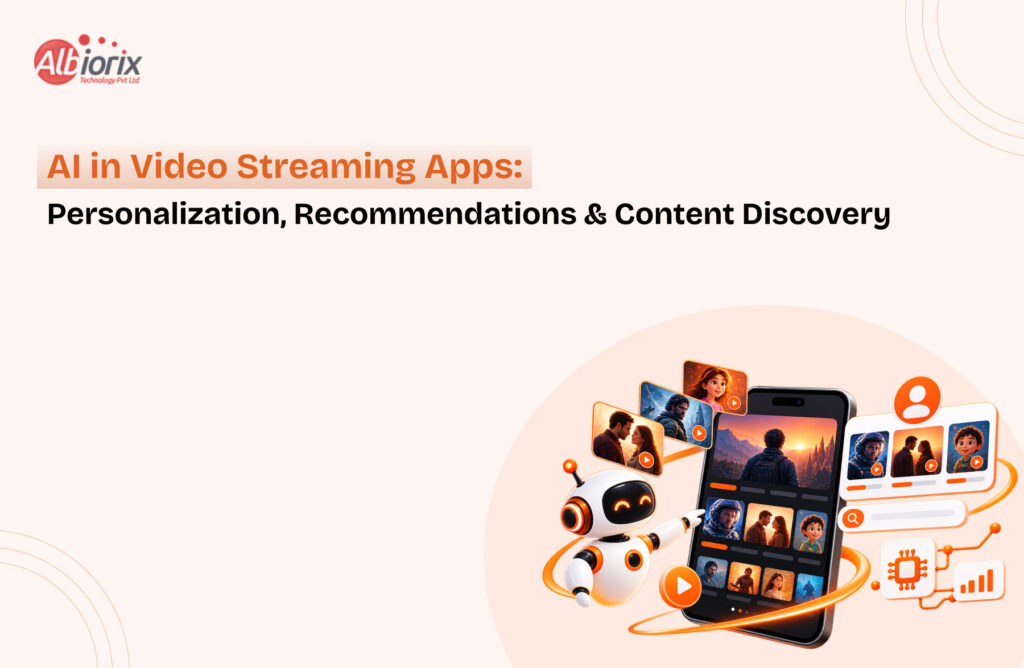
AI in Video Streaming Apps: Personalization, Recommendations & Content Discovery
Discover how AI improves video streaming apps personalization, recommendations, and content discovery to boost viewer engagement and support OTT growth.
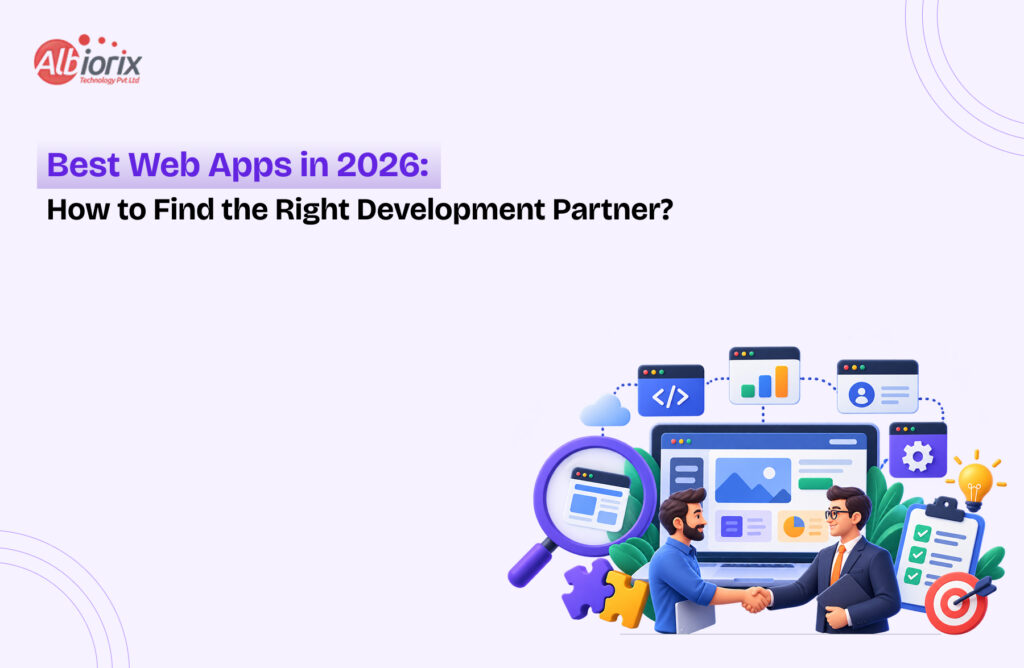
Best Web Apps in 2026: How to Find the Right Development Partner?
Explore how to choose the right development partner for the best web apps in 2026. Learn what to evaluate, from...
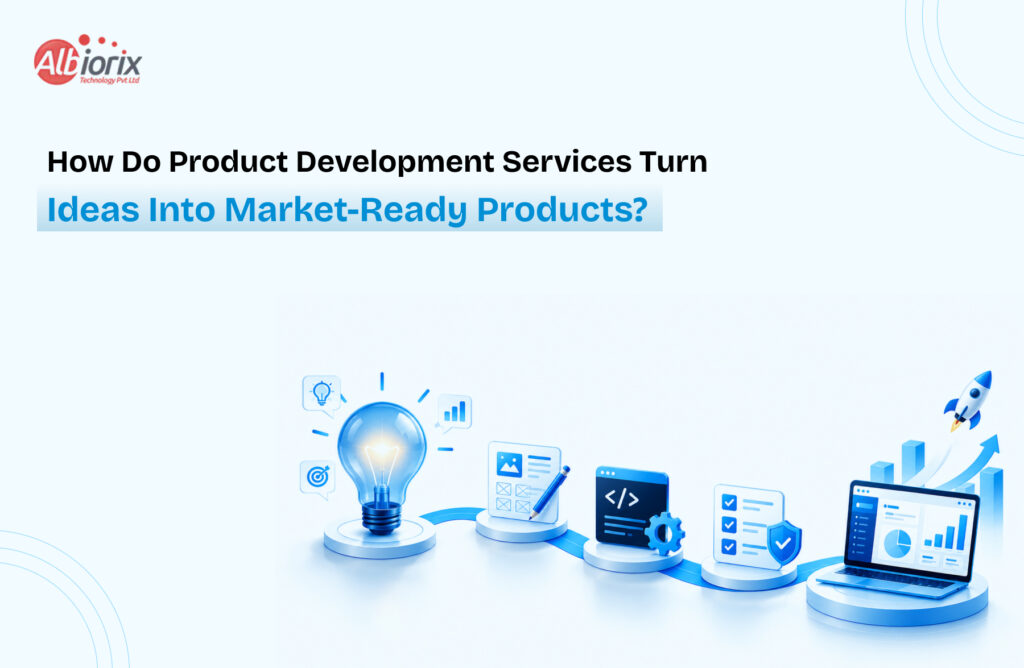
How Do Product Development Services Turn Ideas Into Market-Ready Products?
Explore Product Development Services to validate ideas, control costs, build the right team, and launch scalable digital products faster and...
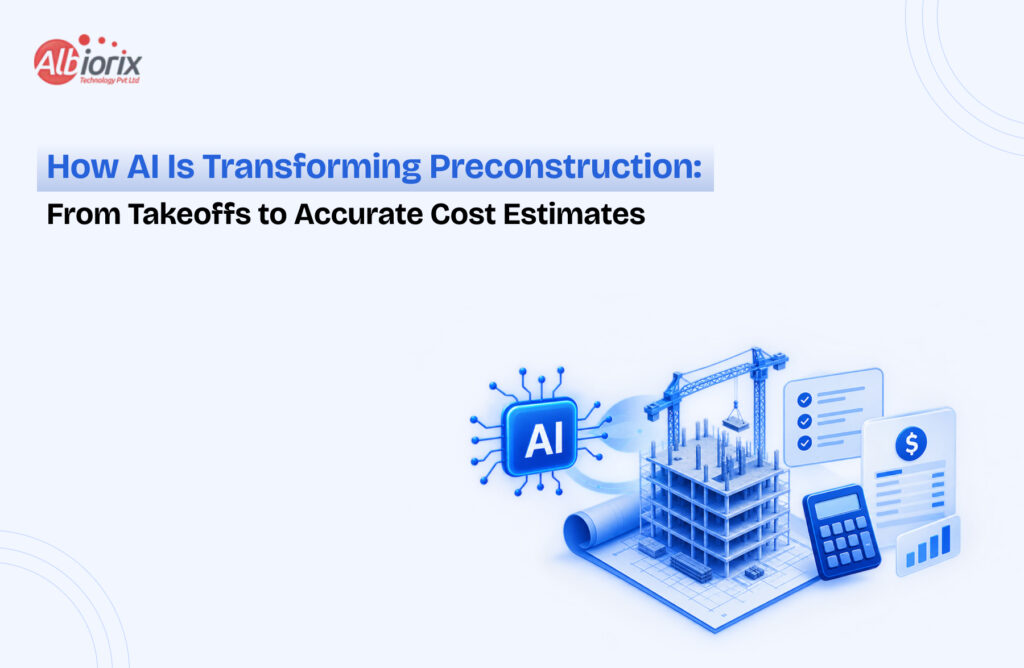
How AI Is Transforming Preconstruction: From Takeoffs to Accurate Cost Estimates
Explore how AI in preconstruction is improving takeoffs, cost estimating, bid analysis, and project planning while helping teams make informed...

Custom Software vs Low-Code/No-Code: A 2027 Decision Guide
Compare custom software, low-code, and no-code approaches across cost, scalability, control, security, and speed to choose the right path in...

Green Software Engineering: How to Build Carbon-Aware and Energy-Efficient Software
Learn how green software engineering reduces energy use and carbon emissions through efficient code, cloud architecture, carbon-aware computing, and SCI.
Build Together With
Albiorix Technologies


