
Custom Logistics Software Development Company for Smarter Supply Chains
Drive operational excellence with next-generation logistics software designed around your business. We specialize in custom logistics software development, helping enterprises automate complex workflows, optimize transportation networks, and gain complete supply chain visibility. Build a more agile, connected, and future-ready logistics ecosystem with scalable technology solutions.




Key Operational Challenges Faced By Logistics Businesses
Limited visibility into shipment movement
Real-Time Shipment TrackingWithout centralized tracking, logistics teams struggle to monitor shipment locations, identify delays, and keep customers informed throughout delivery.
Inefficient fleet and route management
Fleet Management SoftwarePoor route planning, vehicle utilization, and fleet coordination can increase fuel costs, delay deliveries, and reduce operational efficiency.
Complex warehouse and inventory operations
Warehouse Management SystemsManual warehouse processes and disconnected inventory records make it harder to manage stock, coordinate orders, and maintain accurate inventory visibility.
Disconnected logistics systems
Logistics API IntegrationSeparate transportation, warehouse, order, and tracking systems create data gaps and make it difficult to coordinate logistics operations.
Delayed deliveries and order fulfillment
Transportation Management SoftwareUnexpected disruptions, inefficient dispatch planning, and limited delivery coordination can affect delivery timelines and customer satisfaction.
Rising operational costs and limited insights
Logistics Analytics & AutomationWithout reliable operational data and analytics, businesses may struggle to identify cost inefficiencies, evaluate performance, and make informed logistics decisions.
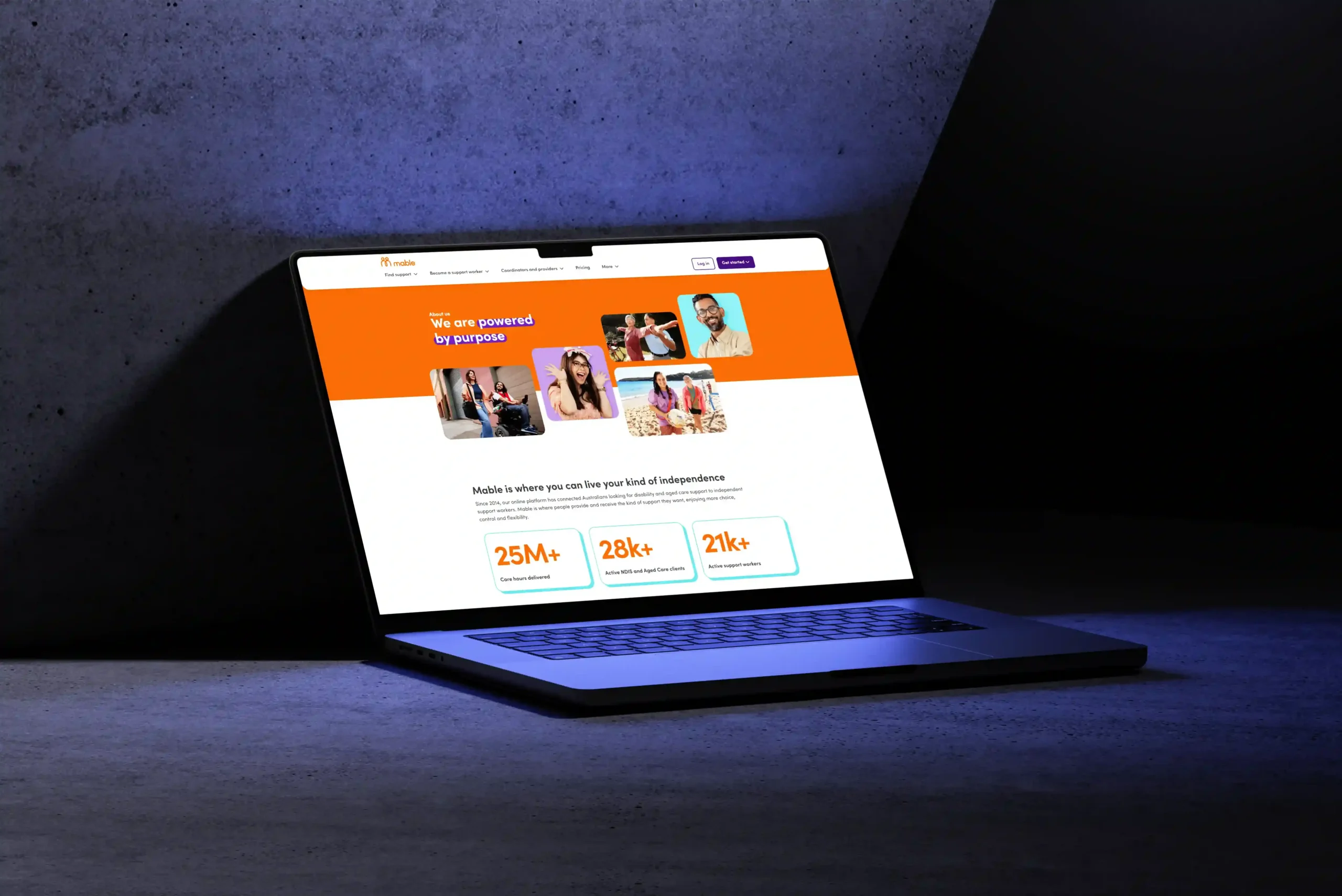
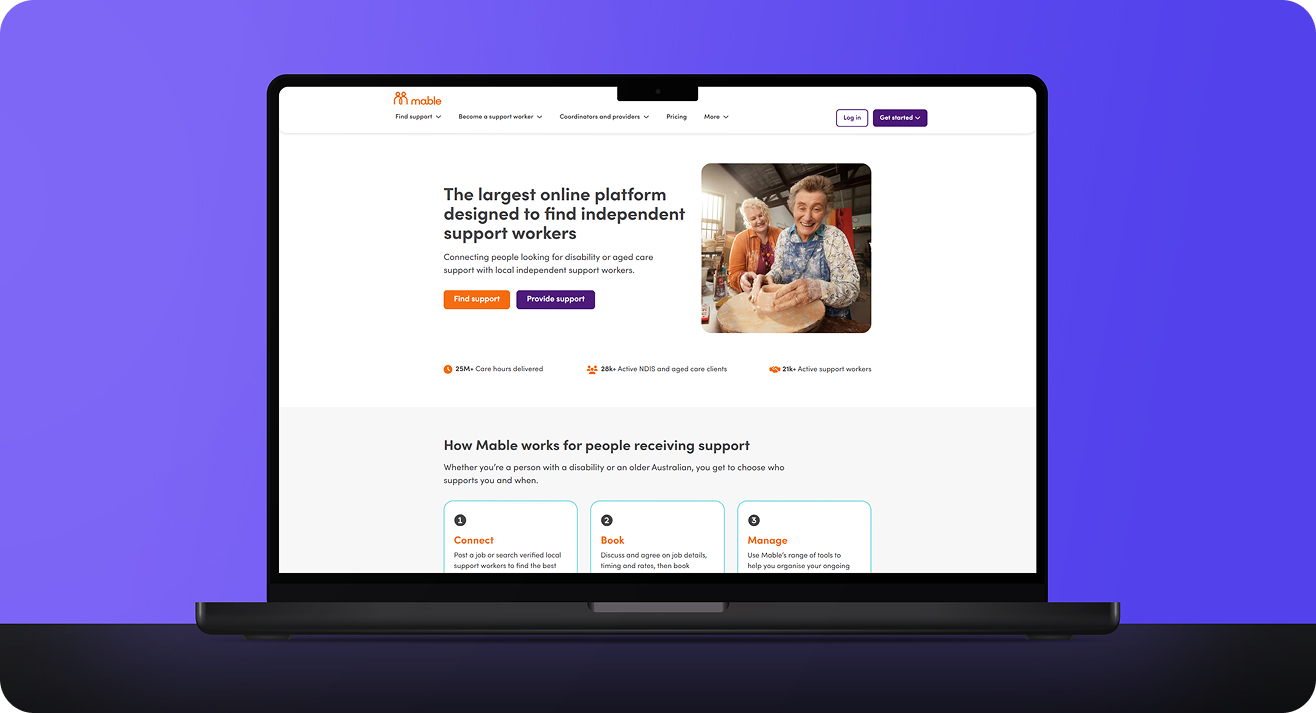
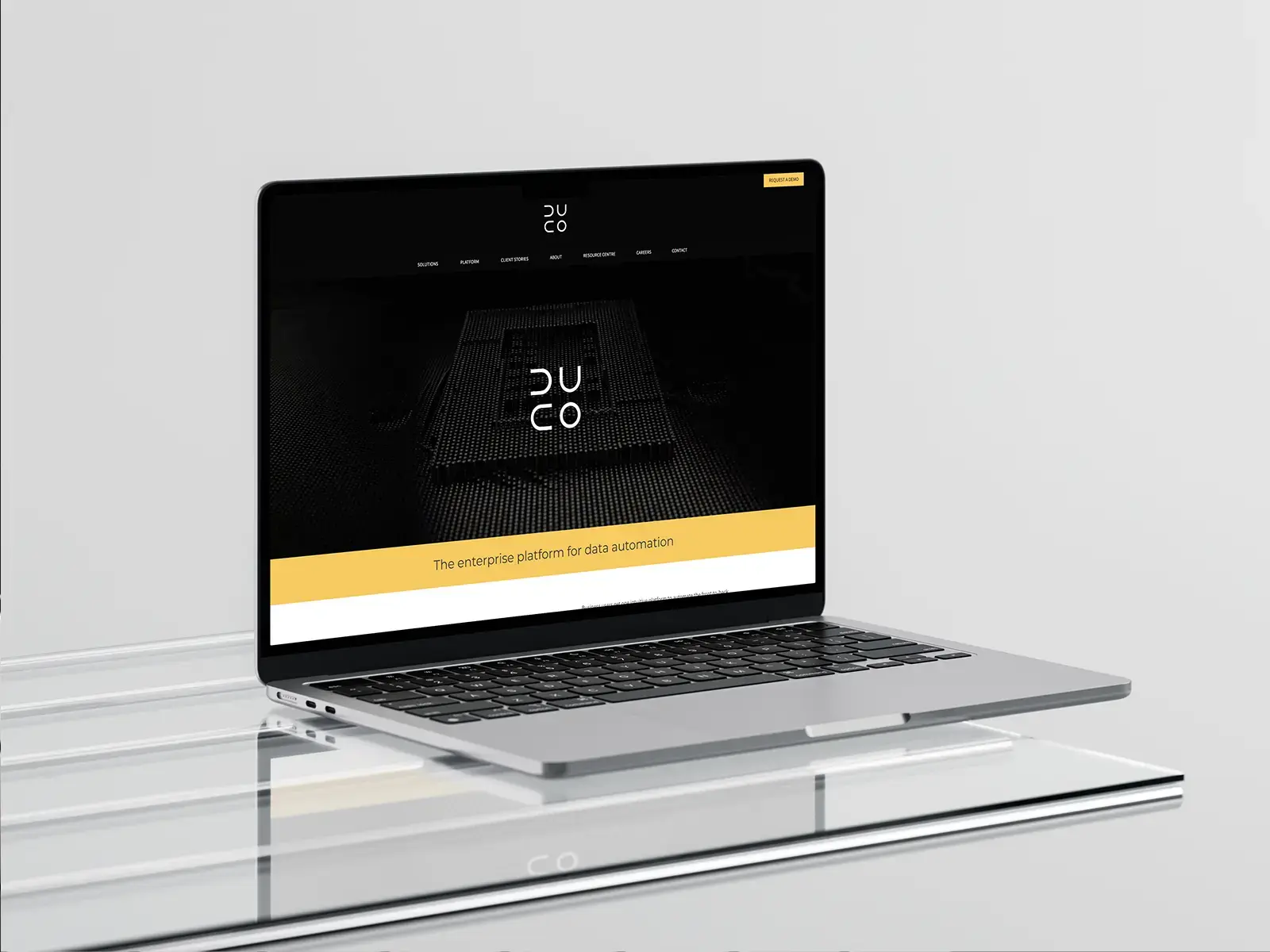
Creating value through design
Mable
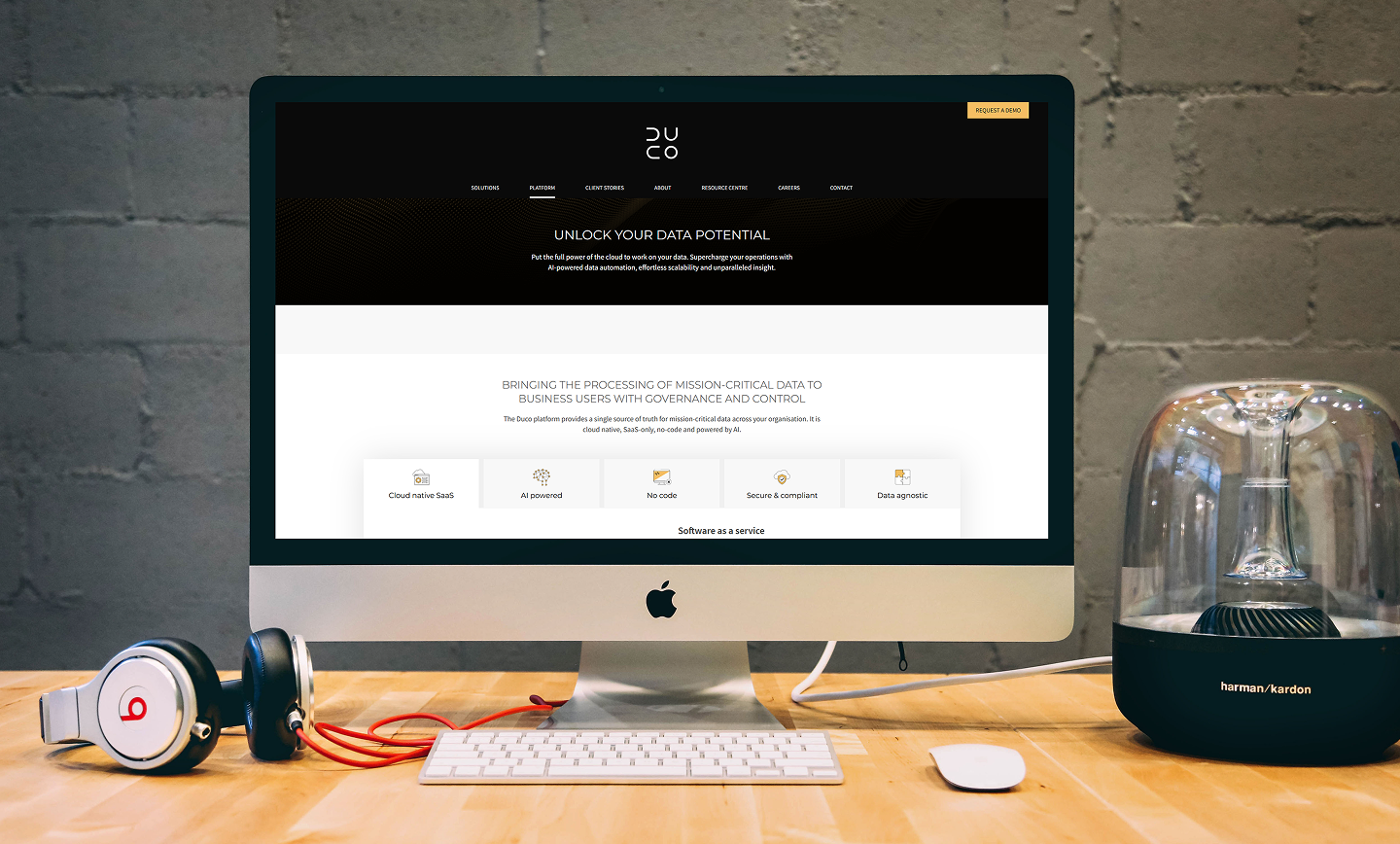
Duco
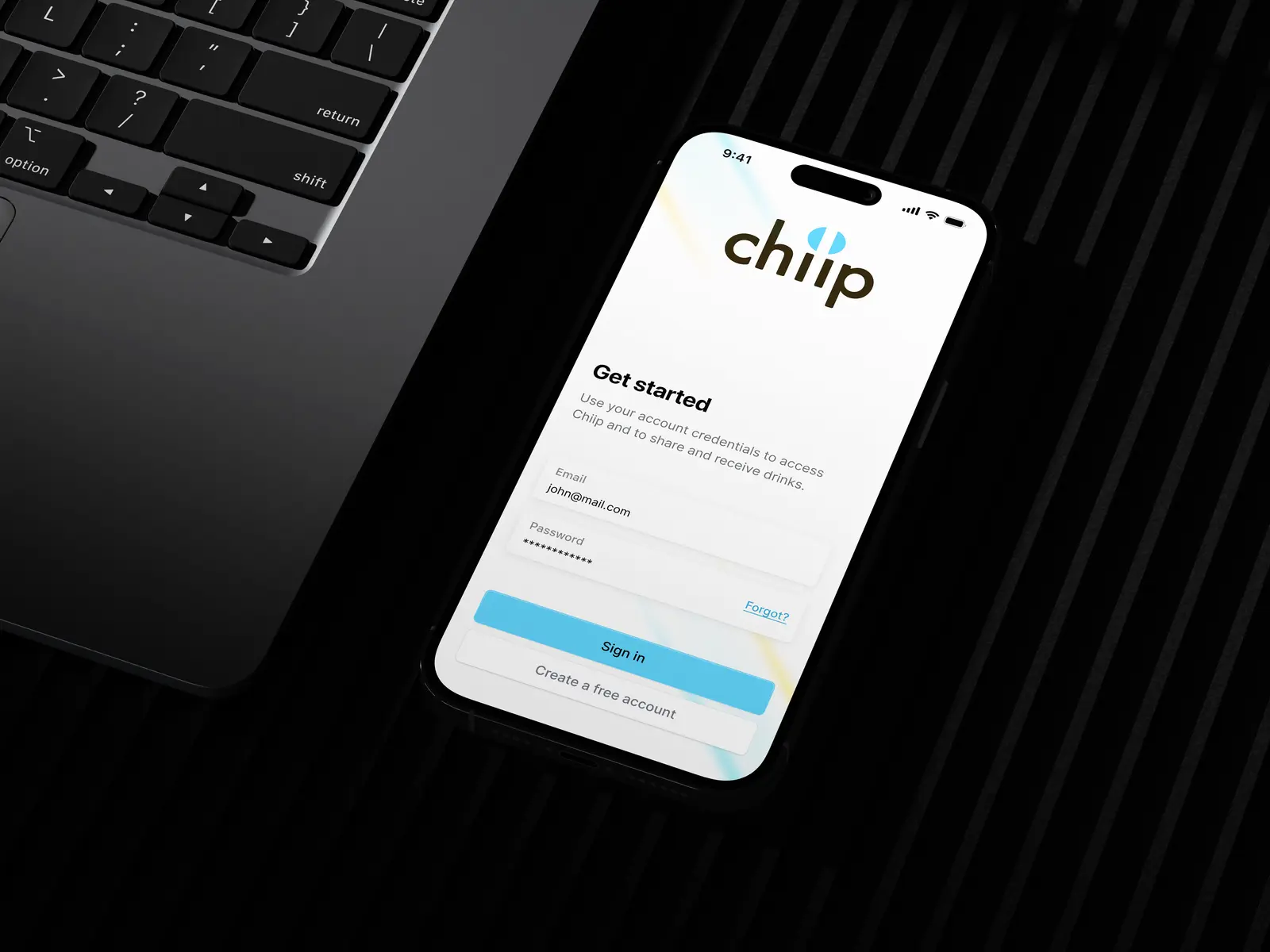
Chiip

AQ GreenTeC

Logistics Software Development Services We Offer
Custom Logistics Software Development
Build tailored logistics platforms to manage daily operations, coordinate resources, and streamline business workflows across your logistics network.
Transportation Management Software Development
Simplify transportation planning, carrier coordination, dispatch operations, and shipment management with centralized software solutions.
Fleet Management Software Development
Monitor vehicle operations, manage fleet activities, track maintenance schedules, and improve vehicle utilization through customized fleet management systems.
Warehouse Management Software Development
Improve warehouse operations with software for inventory tracking, order processing, stock movement, and warehouse workflow management.
Logistics Tracking & Delivery Management Software
Develop tracking platforms that help businesses monitor shipments, manage delivery status, coordinate drivers, and improve shipment visibility.
AI-Powered Logistics Software Development
Integrate AI capabilities for demand forecasting, route optimization, predictive maintenance, and logistics workflow automation based on business requirements.
11+
years of experience
8+
Logistics platforms delivered
10+
Logistics specialists



Our AI Agent Development Process
Discovery & Workflow Mapping
We assess your workflows, systems and business objectives to identify where AI agents can create value and where conventional automation is more appropriate.
Agent Architecture & Tool Design
We define the models, tools, integrations and orchestration required, with clear controls and human oversight based on the risk of each action.
Build & Evaluate
We build and test agents against real-world scenarios, measuring accuracy, reliability and expected behaviour before they move into a production environment.
Guardrails & Staged Rollout
We introduce agents through AI agent deployment, with defined guardrails, monitoring and rollback procedures in place before expanding them across business operations.
Production Monitoring & Optimization
We monitor performance, accuracy and changing behaviour after deployment, using defined evaluation criteria to keep agents reliable as business requirements evolve.
Healthcare Verticals We Work With

Third-Party Logistics (3PL) Providers

Freight & Cargo Companies

Courier & Delivery Services

Transportation & Fleet Operators

Supply Chain & Distribution Companies

Warehousing & Fulfillment Centers

E-commerce Logistics Businesses

Shipping & Maritime Companies

Last-Mile Delivery Providers
Technologies that Power Digital Revolution
We build on cutting-edge technology stacks, combining proven frameworks and modern tools to deliver enterprise-grade performance, scalability, and long-term engineering flexibility.
 Chatgpt
 Claude
 Gemini
 Cursor
 Ollama
 Tensorflow
 Pytorch
 Python
 Angular
 React
 VueJS
 .Net Core
 .Net MVC
 NodeJS
 PHP
 WordPress
 Laravel
 Symfony
 iOS
 Android
 React Native
 Flutter
 Xamarin
 lonic
Flexible Engagement Models for Logistics Software Projects
Staff Augmentation
Strengthen existing technology teams with experienced engineers who understand transportation systems, warehouse operations, and logistics integrations. Access specialized development expertise while maintaining control over project priorities and delivery.
- Long-term logistics platform development
- Expanding in-house engineering teams
Time & Material
A flexible delivery model for logistics projects where operational workflows, carrier integrations, and business requirements evolve during development. This approach allows features and priorities to be refined without restricting the project to a fixed scope.
- Complex transportation and warehouse platforms
- Evolving integration requirements
Fixed Cost
A structured engagement model for clearly defined projects with agreed functionality, budgets, milestones, and acceptance criteria. Suitable for businesses seeking predictable delivery of logistics app development services within an established scope.
- Defined logistics application MVPs
- Well-scoped platform enhancements
Why Logistics Businesses Choose Albiorix
Albiorix brings in-depth knowledge of transportation logistics, supply chain management, and enterprise software to deliver the required solutions for businesses offering more than just software engineering capabilities.
Logistics Expertise With Engineering Experience
As a logistics software provider, Albiorix pairs its engineering expertise with logistics knowledge to develop solutions for complex logistics problems.
Compatibility With Existing Logistics Systems
Knowledge of TMS, WMS, ERP systems, GPS tracking, and carrier APIs allows to create applications transferring data from one platform to another without disturbing normal operating practices.
Technical Solutions for Challenging Logistics
The logistics technology solutions must support constant shipment updates, various operating locations, and large transaction volumes. The system is designed taking into account the need for performance, data accuracy, and effective access to crucial operational data.
Clear Delivery and Long-Term Technical Support
Well-set milestones, lucid conversations, and well-established development strategies support logistics firms in keeping track of projects, prioritizing technology, and adjusting software features as per the changing operational situation.
We Don’t Chase Awards, We Earn Trust

1Certified by ISO for Information Security Management

Certified by ISO for Quality Management System

Certified Microsoft Developers for Microsoft Technology Expertise
Certified by ISO for Quality Management System

PMP Certified Developers for Professional Project Management
PRINCE2 Certified Developers for Project Management Excellence
Frequently Asked Questions
The firm has experience in developing TMS, WMS, fleet tracking solutions, freight management software, inventory management solutions, and last-mile delivery logistics software. Each logistics software application is developed around different business requirements, operational processes, and specific needs.
The cost of logistics software development depends not only on the total number of features but also on other requirements like tech integrations, security needs, or deployment type.
To develop a specification, an MVP will need around three to five months, while an advanced enterprise logistics service might require between six to twelve months. The development time will depend on features, integration tasks, and other requirements.
Yes, logistics applications are able to integrate with ERP, TMS, WMS, accounting tools, carrier platforms, GPS, and third-party APIs. This will help synchronize the shipping information, product inventory, transportation plans, and other relevant data.
AI systems can provide human operators with accurate operational forecasts, the best routes, and shipping delays before shipment delivery. AI's success depends on whether there is enough necessary operational information, good prediction models, and human assistance.
Clients should find out about relevant industry experience, integration capabilities, expertise in software architecture, security practices, and technical support after deployment. Moreover, a proper partner for cooperation should understand key problems in carrier management, freight coordination, fleet, and transportation network activities.
Yes. Albiorix can help modernize old applications through architecture improvement, migration to the cloud, redesign of the application interface, API, and integration updates. It is important that application modernization is not regarded as a disruption to ongoing business operations.
Yes. A properly designed logistics platform can support multiple warehouses, distribution centers, fleets, and operating regions. Centralized reporting, location-specific permissions, configurable workflows, and scalable infrastructure help businesses manage operations across different facilities.
Ideas Brought to Life
We turn bold concepts into impactful digital solutions. From strategy to execution, we build experiences that deliver real results.
Albiorix is amazing to work with. They were helpful, accommodating, and uncomplicated. We worked with them for almost 2 years and our product development journey with them was really smooth. They deliver more than what we have asked for and with upmost quality, coding standards, perfect pixel design and with some advanced functionality too. The team was communicative, delivered high-quality work, and is definitely a 5-STAR recommendation! Thanks for the good cooperation.

Albiorix Technology was helpful and the quality of their work was very good. They have learned things quickly and didn't need a lot of handholding. Based on our experience working with them, I highly recommend them for development projects as per their expertise. Thank you!"

The end deliverable has received amazing feedback from our team after the training session. Thanks to Albiorix Technology Pvt. Ltd.'s work, we have saved a significant amount of time. Overall, the team is prompt, responsive, and attentive.

Thank you Albiorix for your immense support throughout my entire project development. I was happy to share my project requirements to the development team of Albiorix. We worked together to deal with design requirements and make them understand the project details.

It’s been a great experience working with Albiorix Technology. What I requested was a big job, and they really went all in with me to see it out to completion. Any issues I had they fixed right away, and even though I have some experience with website design they often times actually had way better solutions than what I originally asked for. I appreciate them going above and beyond throughout the entire project, Jalpesh and his team have been amazing.

Albiorix Technology Pvt. Ltd. has been using agile scrum methodology to manage our project seamlessly. They use Jira to handle tickets and have a sprint every two weeks. Overall, the team is dedicated, proactive, and creative to provide great solutions.

They are very professional, hardworking, and truly recommended for the app. They are also very cooperative with the work, and when there are any problems encountered, they are already there to fix it. Great job, Albiorix Tech!

It was great working with Albiorix Technology on this project. They did not only build our new website on Webflow from scratch, but they also followed our design requirements and gave great feedback to improve them further. We’ll keep working with them in the future, and I highly recommend you consider them for your project.

Team at Albiorix is a fast working, reliable, and capable software developers. It has been a pleasure working with them for the past three years where they have routinely delivered production-ready code for a critical project we are working on. I would recommend Albiorix for any software needs.

Our Latest Blog
Discover bold visual storytelling, emotional design & movement-driven creativity that drives real engagement.
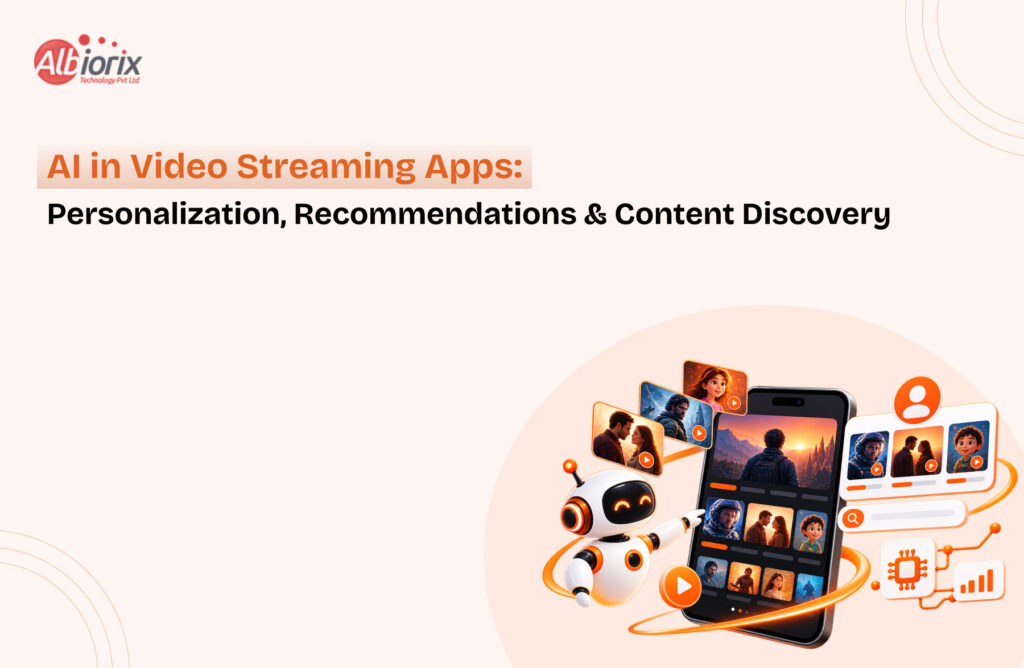
AI in Video Streaming Apps: Personalization, Recommendations & Content Discovery
Discover how AI improves video streaming apps personalization, recommendations, and content discovery to boost viewer engagement and support OTT growth.
Best Web Apps in 2026: How to Find the Right Development Partner?
Explore how to choose the right development partner for the best web apps in 2026. Learn what to evaluate, from...
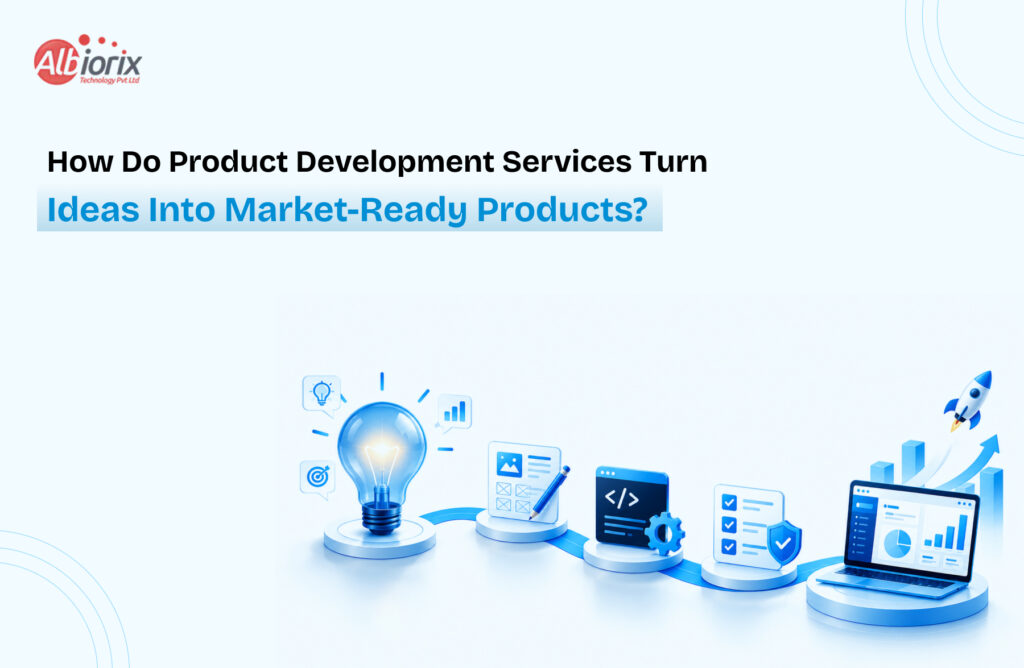
How Do Product Development Services Turn Ideas Into Market-Ready Products?
Explore Product Development Services to validate ideas, control costs, build the right team, and launch scalable digital products faster and...
How AI Is Transforming Preconstruction: From Takeoffs to Accurate Cost Estimates
Explore how AI in preconstruction is improving takeoffs, cost estimating, bid analysis, and project planning while helping teams make informed...

Custom Software vs Low-Code/No-Code: A 2027 Decision Guide
Compare custom software, low-code, and no-code approaches across cost, scalability, control, security, and speed to choose the right path in...

Green Software Engineering: How to Build Carbon-Aware and Energy-Efficient Software
Learn how green software engineering reduces energy use and carbon emissions through efficient code, cloud architecture, carbon-aware computing, and SCI.
Build Together With
Albiorix Technologies


